Amazon Marketplace Strategy: Expanding Without Breaking Operations

Jaša Furlan
Founder & CEO

Selling on Amazon in 2026 is still a big deal for getting your products in front of lots of people. It’s a place where shoppers trust they’ll find what they need and get it fast. Whether you’re just starting out or you’ve been selling for a while, Amazon offers tools and a huge customer base that can help you grow. The trick is figuring out how your business fits into the whole Amazon picture and what you need to do to keep up with everyone else. This guide will help you understand why Amazon is still a major player and what it takes to do well. We’ll look at what’s changing, what problems you might run into, and how having the right plan can help you keep your profits healthy while you grow.
Key Takeaways
- To succeed on Amazon, focus on having good product details, fair prices, and making sure your stock is always available.
- With more sellers and higher ad costs, you really need a plan for your whole sales funnel to keep your profits and make sure people see your products.
- Using automated tools and AI can help you react fast to market changes, keep your products visible, and grow without getting swamped with work.
- Choose where to sell carefully by looking at how much money you can make, who you’re competing against, and if you have the resources to handle it.
- Keeping your listings looking good, managing your stock well, and making sure customers get their orders on time are the main things for success on Amazon.
Understanding The Amazon Marketplace Ecosystem
The Core Components of Amazon Web Selling
Selling on Amazon in 2026 means tapping into a vast network of tools and shoppers. It’s not just about listing a product; it’s about understanding the different pieces that make the whole thing work. Think of it like a complex machine where each part has a job. You’ve got the shoppers looking for things, the platform that connects them, and all the behind-the-scenes operations that keep it running smoothly. The goal is to make sure your products are seen by the right people at the right time, and that the whole buying process is as easy as possible.
At its heart, Amazon’s selling environment is built around a few key areas:
- Product Listings: This is your digital storefront. It includes everything from the title and images to the description and bullet points. Good content helps shoppers find you and understand what you’re selling.
- Advertising: With millions of products, getting noticed can be tough. Amazon Ads, like Sponsored Products, help boost your visibility in search results and on product pages. It’s a way to get your items in front of shoppers who are actively looking.
- Fulfillment: How do customers get your product? You can use Fulfilled by Amazon (FBA) where Amazon handles storage and shipping, or Fulfilled by Merchant (FBM) where you manage it yourself. This choice impacts delivery speed and customer experience.
- Analytics: Amazon provides data on sales, customer behavior, and ad performance. Understanding this information helps you make smarter decisions about your products and marketing.
This interconnected system means that changes in one area can affect others. For example, poor inventory management can lead to stockouts, which hurts your sales and can even impact your ad performance. It’s a dynamic space, and staying on top of these components is key to success.
Seller Central As The Operational Hub
If you’re selling on Amazon, Seller Central is where you’ll spend a lot of your time. It’s the main dashboard, the command center for your entire business on the platform. Think of it as your digital office. From here, you can create and manage your product listings, track incoming orders, keep an eye on your inventory levels, and monitor your account’s health. It’s also where you access important tools like Brand Registry, which helps protect your brand, and Brand Analytics, which gives you insights into shopper behavior and catalog performance. Effectively using Seller Central is the foundation for making informed decisions and keeping your operations running smoothly.
Here’s a quick look at what you can do in Seller Central:
- Manage Listings: Upload new products, edit existing ones, and add detailed descriptions and images.
- Track Orders: See what’s been sold, manage shipments if you’re using FBM, and monitor returns.
- Inventory Control: Check stock levels, set up low-stock alerts, and plan for replenishment.
- Advertising Campaigns: Set up and manage your Amazon Ads directly within the platform.
- Account Health: Monitor performance metrics and address any issues that could affect your selling privileges.
It’s designed to give you control, but it also requires attention. Keeping your information up-to-date and regularly checking your performance metrics will help you stay ahead of potential problems and identify opportunities for growth. Many sellers find that working with an Amazon agency can help them maximize the use of Seller Central’s features.
Leveraging Amazon Ads For Visibility
In today’s crowded Amazon marketplace, simply having a great product isn’t always enough. Shoppers are bombarded with options, and getting your product in front of them requires a strategic approach to advertising. Amazon Ads provide a powerful way to increase your product’s visibility, drive traffic to your listings, and ultimately, boost sales. These advertising tools are integrated directly into the Amazon shopping experience, meaning you can reach customers when they are actively searching for products like yours.
There are several types of Amazon Ads, each serving a different purpose:
- Sponsored Products: These ads appear in search results and on product detail pages, helping to drive sales for individual products. They are a great starting point for most sellers.
- Sponsored Brands: These ads feature your brand logo, a custom headline, and multiple products, appearing at the top of search results. They are excellent for increasing brand awareness and promoting a range of items.
- Sponsored Display: These ads allow you to target shoppers on and off Amazon, based on their shopping behavior and interests. They can be used for remarketing to past visitors or reaching new audiences.
The effectiveness of Amazon Ads relies heavily on understanding your target audience and optimizing your campaigns. This means choosing the right keywords, setting appropriate bids, and continuously monitoring performance to make adjustments. Without a clear strategy, ad spend can quickly become inefficient.
When used correctly, Amazon Ads can significantly improve your product’s discoverability. They work hand-in-hand with good listing optimization; a well-optimized listing converts the traffic generated by ads more effectively. It’s a cycle: better visibility leads to more sales, which can improve your organic ranking, leading to even more visibility.
Strategic Platform Selection And Prioritization

Picking where to sell online can feel like a huge decision, and honestly, it is. You can’t just jump onto every single marketplace out there and expect to win. It’s like trying to be a star player on a dozen different sports teams all at once – you’ll likely just end up spread too thin and not performing well anywhere. The smart move is to be intentional about your choices.
Assessing Revenue Potential Across Marketplaces
First things first, where’s the money? Not all platforms are created equal when it comes to bringing in sales. Amazon is still the giant, no doubt, but it’s also incredibly crowded. Walmart’s marketplace has been growing fast, and sometimes offers a less competitive environment. Then you have niche sites that cater to specific interests, like home goods or handmade items. You need to look at which platforms have the most shoppers looking for what you sell. Think about it: someone searching for a specific tool on Amazon has a different mindset than someone browsing for unique art on Etsy. Understanding where your potential customers are actually shopping is key. For instance, if you’re selling general consumer goods, Amazon and Walmart are likely top contenders. If your products are more specialized, a niche marketplace might offer a better return on your effort.
Analyzing Competitive Density And Landscape
Once you’ve got an idea of where the sales might be, you need to see who you’ll be up against. Amazon, for example, can have dozens of sellers for a single product, making it tough to stand out. Walmart might have fewer sponsored slots in its search results, giving organic listings a better shot. It’s not just about the number of sellers, though. What are their prices like? How many reviews do they have? What’s their shipping speed? You can learn a lot by simply buying from your top competitors on each platform. This gives you a real feel for their customer experience, packaging, and delivery times. Don’t just guess; do your homework on the competition for each specific marketplace.
Matching Platform Demands With Resource Capacity
This is where many businesses stumble. You might have identified a fantastic opportunity on a new platform, but can you actually handle it? Each marketplace has its own quirks and demands. Managing ads, inventory, customer service, and fulfillment for one platform is a full-time job. Adding another doubles, or even triples, that workload. You need to consider your team’s capacity, your budget for advertising and inventory, and your operational capabilities. A common approach is the 70-20-10 rule: put 70% of your resources into your main platform, 20% into a secondary one, and 10% into experimental ventures. This helps you focus your energy where it counts most.
Before you even think about expanding, ask yourself: are we truly excelling on our current platform(s)? Are our listings optimized? Is our inventory managed efficiently? If the answer is no, adding more complexity will likely just lead to more problems.
Here’s a quick look at how you might allocate resources:
- Primary Platform (e.g., Amazon): 70% of budget, time, and focus. This is where you expect the bulk of your sales.
- Secondary Platform (e.g., Walmart or a niche site): 20% of resources. This is for growth and diversification.
- Experimental/Emerging Platforms: 10% of resources. Use this for testing new opportunities or channels.
This isn’t a rigid rule, of course. Your allocation will change as you grow and learn which platforms are performing best for your specific products. The goal is to invest wisely and avoid spreading yourself too thin, which can hurt your profitability.
Optimizing Listings For Maximum Conversion
Think of your Amazon listing like a digital storefront. If it’s messy, hard to find things, or the product description is confusing, people will just walk away. That’s basically what happens on Amazon when your listings aren’t set up right. Getting your listings dialed in is one of the most direct ways to boost sales without necessarily spending more on ads. It’s about making it super easy for shoppers to see your product, understand what it does, and decide to buy it.
Crafting Compelling Product Content
This is where you really get to talk about your product. It starts with a clear, keyword-rich title that tells people exactly what they’re looking at. Then comes the bullet points – these should highlight the main benefits and features. Don’t just list specs; explain why those specs matter to the customer. The product description is your chance to tell a story, address potential questions, and really sell the value. High-quality images are non-negotiable; shoppers can’t touch or feel your product online, so great photos are the next best thing. Think about different angles, lifestyle shots, and close-ups of key features.
- Title: Include primary keywords and clearly state the product. Example: "Durable Stainless Steel Water Bottle, 32oz, Insulated, Leak-Proof Lid"
- Bullet Points: Focus on benefits and unique selling propositions.
- Keeps drinks cold for 24 hours or hot for 12 hours.
- Made from food-grade, BPA-free stainless steel.
- Wide mouth opening for easy cleaning and ice cubes.
- Sweat-proof exterior prevents condensation.
- Product Description: Expand on benefits, use cases, and brand story. Consider using A+ Content if you have Brand Registry to add richer media and formatting.
- Images: Use multiple high-resolution images showing the product from different angles, in use, and highlighting key features.
Amazon’s algorithm looks at how complete and accurate your listing is. If it can’t figure out what you’re selling or if the information is all over the place, it won’t show your product to as many people. Good content helps both shoppers and Amazon’s system.
Implementing Dynamic Pricing Strategies
Pricing is tricky. Too high, and you lose sales. Too low, and you leave money on the table or signal low quality. Dynamic pricing tools can help. These systems automatically adjust your prices based on competitor pricing, demand, and your own inventory levels. The goal is to stay competitive, win the Buy Box more often, and maintain healthy profit margins. It’s not just about being the cheapest; it’s about having the right price at the right time.
Here’s a simplified look at how pricing can affect things:
| Scenario | Price Point | Potential Outcome |
|---|---|---|
| Competitively Priced | $25.00 | Higher chance of winning Buy Box, increased conversion |
| Slightly Above Market | $28.00 | May lose Buy Box, lower conversion, potentially higher margin per unit |
| Significantly Below | $18.00 | High conversion, potential Buy Box win, but low margin, may signal low quality |
Ensuring Consistent Inventory Management
Running out of stock is a conversion killer. When a shopper finds your product and wants to buy it, but it’s unavailable, they’ll likely go to a competitor. This not only loses you a sale but can also hurt your product’s ranking. Amazon’s algorithm favors products that are consistently available. Keep a close eye on your stock levels, especially for popular items. Use inventory forecasting tools if possible, and set up alerts for low stock. If you’re using Fulfilled by Amazon (FBA), make sure you’re sending inventory to Amazon warehouses with enough lead time before you run out.
Navigating Fulfillment And Logistics
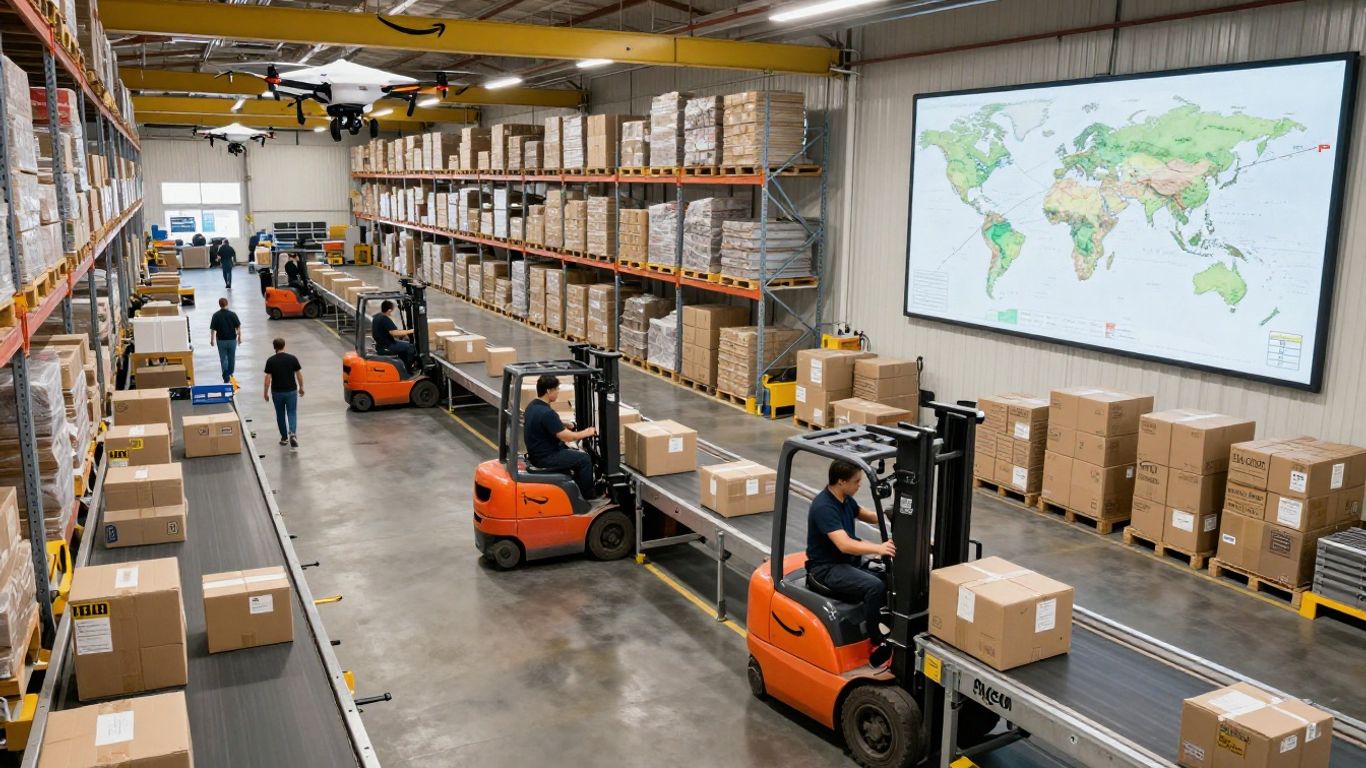
Getting your products to customers quickly and reliably is a big deal on Amazon. It’s not just about getting the sale; it’s about keeping customers happy so they come back. Your fulfillment strategy directly impacts customer trust and your standing in Amazon’s search results. When orders are late or go missing, it hurts your seller metrics and can even lead to account suspension. So, having a solid plan for how products get from your warehouse to the customer’s doorstep is super important.
Utilizing Fulfilled By Amazon Services
Fulfilled by Amazon (FBA) is a popular choice for many sellers. You send your inventory to Amazon’s warehouses, and they handle the storage, picking, packing, and shipping when an order comes in. This automatically qualifies your products for Prime shipping, which is a huge draw for shoppers. Prime members expect fast, free delivery, and FBA makes that possible. It also means Amazon customer service handles returns and inquiries for FBA orders, taking some of that burden off your shoulders. However, FBA comes with its own set of fees, including storage fees and fulfillment fees, which you need to factor into your pricing. It’s also important to manage your inventory levels carefully to avoid long-term storage fees for slow-moving items.
Managing Warehousing and Distribution
Beyond FBA, you might need to think about your own warehousing or work with a third-party logistics (3PL) provider. This is especially true if you sell on multiple channels or if FBA isn’t the right fit for certain products. A 3PL can store your inventory and ship orders from different platforms, giving you more control over packaging and branding, which can be important for your own website sales. You’ll need to decide how much inventory to keep at each location based on sales velocity across different channels. For example, you might allocate more stock to Amazon if that’s where most of your sales happen. This requires careful planning to avoid stockouts or overstocking.
Maintaining Delivery Performance for Customer Trust
No matter how you fulfill orders, meeting delivery promises is key. Amazon tracks metrics like late shipment rate and order defect rate. Consistently missing these targets can seriously damage your account health. If you’re fulfilling orders yourself (Seller Fulfilled), you need robust systems to ensure orders are processed and shipped on time. This includes having efficient packing processes and reliable shipping partners. For FBA, while Amazon handles the shipping, you still need to get your inventory to their fulfillment centers promptly. Keeping products in stock is also a form of delivery performance; customers get frustrated when they can’t buy what they want. Amazon’s own tools, like inventory planning dashboards, can help you forecast demand and replenish stock before it runs out. This proactive approach protects your sales velocity and customer satisfaction.
Keeping your inventory flowing smoothly and meeting delivery expectations isn’t just about operations; it’s a core part of your brand’s reputation on Amazon. When customers know they can rely on you for fast, accurate delivery, they’re more likely to buy again and leave positive reviews. This positive cycle helps your business grow without adding undue stress to your internal teams. Consider exploring Amazon Marketplace growth strategy services if managing these complexities feels overwhelming.
Leveraging Analytics For Informed Decisions
Selling on Amazon isn’t just about listing products; it’s about understanding the data behind your sales. Without looking at the numbers, you’re basically guessing, and that’s a fast way to waste money and time. Making smart choices means looking at what the data tells you. It helps you see what’s working and, more importantly, what’s not.
Understanding Shopper Behavior Through Data
Amazon gives you a lot of information about who’s looking at your products and what they do. You can see things like how many people viewed your listing, how many added it to their cart, and how many actually bought it. This helps you figure out if your product pages are doing their job. Are people clicking on your ads but not buying? Maybe the listing content needs work, or the price is off. Looking at this shopper behavior can point you to where the problems are.
- Conversion Rates: Track how many views turn into sales. A low conversion rate might mean your images, description, or price needs adjustment.
- Traffic Sources: See where your customers are coming from – organic search, ads, or external links.
- Customer Demographics: Understand who is buying your products, which can help with targeted marketing.
Analyzing shopper behavior data allows you to move beyond assumptions and make concrete improvements to your product listings and marketing efforts. It’s about seeing the customer journey through their eyes, informed by their actions.
Identifying Catalog Performance Opportunities
Your catalog is more than just a list of products; it’s a collection of opportunities. Analytics can show you which products are selling well, which are lagging, and which have the potential to grow. You might find that a product you thought was a slow mover is actually popular in a different region, or that a bundle of two items sells much better than either individually. This kind of insight helps you decide where to focus your efforts and your ad spend. For example, you can use tools to evaluate product potential and see how your items stack up against the competition.
Here’s a quick look at how you might break down catalog performance:
| Product Name | Sales Volume | Profit Margin | Conversion Rate | Notes |
|---|---|---|---|---|
| Widget A | 500 units | 25% | 15% | Strong performer |
| Gadget B | 150 units | 18% | 8% | Needs content review |
| Thingamajig C | 300 units | 30% | 12% | High ad cost |
Measuring Advertising Effectiveness
Amazon Ads can be a big part of your strategy, but they cost money. You need to know if they’re actually bringing in sales and profit. Analytics help you see which ads are working, which keywords are driving clicks, and what your return on ad spend (ROAS) is. If an ad campaign isn’t performing well, you can adjust bids, change keywords, or even pause it to avoid losing more money. It’s about making sure your advertising budget is spent wisely, not just spent.
- Return on Ad Spend (ROAS): How much revenue you get for every dollar spent on ads.
- Cost Per Click (CPC): The average amount you pay each time someone clicks your ad.
- Click-Through Rate (CTR): The percentage of people who see your ad and click on it.
By regularly checking these numbers, you can fine-tune your ad campaigns to get the best results without breaking the bank. It’s a continuous process of testing, learning, and adjusting.
Adapting To Evolving Marketplace Dynamics
The world of online marketplaces isn’t static; it’s a constantly shifting landscape. Amazon, for instance, rolls out algorithm updates and new ad formats pretty regularly, sometimes quarterly. Walmart is also making big moves, pouring money into its logistics and actively seeking out more sellers. Even smaller, niche platforms can merge, get bought out, or pop up seemingly out of nowhere. The brands that do well long-term are the ones that can roll with these changes.
Staying Ahead Of Algorithm Changes
Amazon’s search algorithm is the engine that drives visibility. It’s not just about keywords anymore; it’s about how customers interact with your listings. Think about things like click-through rates, conversion rates, and even how quickly you answer customer questions. Staying informed about these shifts is key to maintaining or improving your product’s ranking. It means regularly checking seller forums, industry news, and Amazon’s own seller updates. Sometimes, a small tweak to your listing content or your advertising strategy can make a big difference.
- Monitor Performance Metrics: Keep a close eye on your sales, traffic, and conversion rates. Sudden drops can signal an algorithm change impacting your visibility.
- Review Listing Quality: Ensure your product titles, descriptions, and images are up-to-date and meet Amazon’s current best practices. High-quality content is always a plus.
- Analyze Competitor Activity: See what successful competitors are doing. Are they changing their ad strategies or listing content? This can offer clues.
The marketplace is always changing. What worked last year might not work today. It’s about being flexible and ready to adjust your approach based on new information and performance data.
Embracing Automation And AI Tools
Manual tasks can eat up a lot of time. Things like updating inventory across different platforms, adjusting prices, or even responding to basic customer inquiries can be automated. Tools exist that can sync your inventory, manage your pricing based on set rules, and even help with keyword research for your ads. AI is also starting to play a bigger role. Amazon is using it to help generate product descriptions and answer customer questions. Walmart is experimenting with AI that understands what shoppers are really looking for, beyond just simple keywords. Getting comfortable with these tools early on can give you an edge.
Addressing Rising Cost Pressures
It’s no secret that selling costs can creep up. Referral fees, advertising costs, and fulfillment fees can all add up. As competition increases, ad bids often go higher, making it more expensive to get noticed. Fulfillment by Amazon (FBA) costs can also change. This means you really need to watch your profit margins closely. It’s not just about making sales; it’s about making profitable sales. Regularly reviewing your pricing strategy and looking for ways to optimize your ad spend is more important than ever. Sometimes, it might even mean re-evaluating which products are most profitable to sell on Amazon or other marketplaces.
Building Brand Presence On Amazon

Think of Amazon not just as a sales channel, but as a place where your brand can actually grow and be recognized. It’s easy to get lost in the sheer volume of products, but there are specific ways to make your brand stand out. This isn’t about just listing products; it’s about creating a consistent experience that shoppers connect with.
The Role Of Brand Registry
If you’re serious about building your brand on Amazon, getting enrolled in Brand Registry is pretty much a must-do. It’s like getting the keys to your brand’s house on the platform. Without it, you might find that other sellers mess with your listings, or that your product information isn’t always accurate. Brand Registry gives you more control over your product pages and access to tools that help protect your brand’s image. It’s the first step to making sure your brand looks the way you want it to.
Strategies For Brand Storytelling
People buy from brands they feel a connection with. On Amazon, this means going beyond just listing features and benefits. Think about what makes your brand unique. Is it your origin story? Your commitment to quality? Your impact on the community? Use your Brand Store, A+ Content, and even your product descriptions to tell this story. High-quality images and videos can really help here, showing your product in use and conveying the lifestyle or values associated with your brand. Making your brand relatable is key to building loyalty.
Managing Listing Control And Catalog Quality
Keeping your listings accurate and consistent is a constant job, especially as you grow. This means making sure product titles, descriptions, images, and attributes are all up-to-date and correct across all your products. When your catalog is clean and well-managed, shoppers have a better experience, and Amazon’s algorithms can better understand what you sell. This also helps prevent unauthorized sellers from hijacking your listings or changing your content. A well-managed catalog is a big part of maintaining brand control and shopper trust.
Here are a few things to focus on:
- Content Accuracy: Regularly check that all product details are correct and match your actual products.
- Image Consistency: Use high-resolution images that follow Amazon’s guidelines and present your product clearly.
- Attribute Completeness: Fill out all relevant product attributes to help shoppers find your items and improve search visibility.
- Review Monitoring: Keep an eye on customer reviews and respond to feedback to show you’re engaged and care about customer satisfaction.
Maintaining a strong brand presence requires ongoing effort. It’s about more than just initial setup; it involves continuous monitoring and adaptation to keep your brand looking its best and connecting with customers effectively.
Want to make your brand shine on Amazon? We help you stand out from the crowd and get noticed by more shoppers. Let us boost your sales and build a strong presence for your products. Ready to see your Amazon business grow? Visit our website today to learn how we can help!
Moving Forward on Amazon
So, we’ve talked a lot about how Amazon is still a big deal for selling stuff online. It’s got a huge customer base and tools to help you grow. But, and this is a pretty big ‘but’, you can’t just jump in and expect to win without a plan. Things are getting more crowded, and it costs more to get noticed. You really need to think about how your products fit, how you’ll price them, and how you’ll advertise. Using things like FBA and Amazon’s ad tools can help, but they’re not magic bullets. It’s about putting all the pieces together – good listings, smart ads, and keeping your stock levels right. If you do that, you can keep growing without everything falling apart. It takes work, but the payoff is a business that’s actually making money and isn’t just a headache.
Frequently Asked Questions
What is the Amazon Marketplace Ecosystem?
Think of the Amazon Marketplace Ecosystem as all the tools and services Amazon offers to help people sell their stuff. This includes Seller Central, which is like your main office for managing everything, Amazon Ads to help people find your products, and services like Fulfilled by Amazon (FBA) to handle shipping. It’s a whole system designed to make selling online easier.
Why is Seller Central important for selling on Amazon?
Seller Central is super important because it’s your command center. It’s where you create your product pages, keep track of orders, manage your inventory, and see how your business is doing. If you want to sell on Amazon, you’ll be spending a lot of time here making sure everything runs smoothly.
How can I make my product listings stand out on Amazon?
To make your listings shine, you need great pictures and clear, exciting descriptions that tell customers why they should buy your product. Also, make sure you have enough stock so customers don’t get disappointed, and consider using competitive pricing. Good content and availability are key!
What is Fulfilled by Amazon (FBA) and should I use it?
Fulfilled by Amazon, or FBA, means you send your products to Amazon’s warehouses, and they handle storing, packing, and shipping them to customers. It’s great because it often means faster shipping for customers and less work for you. It can also help you win the ‘Buy Box,’ which is the main spot where customers click to buy.
How do I know if I’m ready to sell on more than just Amazon?
Before jumping to other selling sites, make sure you’re doing really well on Amazon. This means your products are selling consistently, your listings are great, and your operations are running smoothly. Only expand when you’re sure you can handle more, perhaps because customers are asking for your products elsewhere or you see a good opportunity on another platform.
What are the biggest challenges when selling on Amazon today?
Selling on Amazon is more competitive now. It costs more to get noticed with advertising, and fees can add up. You also have to deal with lots of other sellers trying to win the ‘Buy Box.’ Keeping your product information accurate and controlling your brand presence is also a big challenge.