What Top Brands Understand About Amazon SEO

Jaša Furlan
Founder & CEO

Key Takeaways
Optimizing your products for search visibility is a dynamic discipline requiring strategic adaptation to Amazon’s core algorithms. This article explores how modern, high-performing brands configure their digital storefronts for maximum organic performance.
- The internal search engine rewards immediate purchase intent over informational depth.
- Real-time conversion signals like sales velocity heavily dictate long-term category positioning.
- Strategic keyword discovery must address long-tail shopper intent rather than simple search volume metrics.
- High-quality visual assets and conversion rate optimization are vital ranking signals.
- Aligning paid campaigns with organic strategies creates a robust market-defense strategy.
The psychology of the Amazon algorithm
Unlike traditional web engines that assist searchers with informational queries, Amazon’s marketplace engine functions with a highly transactional purpose in mind. Every behavioral cue from a shopper—including clicks, catalog hover times, and cart additions—serves as immediate feedback to determine whether a listing is relevant. When conceptualizing an Amazon SEO campaign, brands must move beyond structural keyword matching to design a total consumer journey built around purchasing behavior.
How A10 prioritizes sales velocity and relevance
Under the modernized guidelines of the A10 ranking system, the marketplace prioritizes organic sales velocity and direct historical relevance over historical ad persistence. Simply forcing keyword volume into empty listing spaces will not guarantee stable visibility. Instead, the system continuously analyzes how rapidly customers checkout after discovering a product. For instance, an innovative service like Flat Fee MLS services highlights how sellers in non-retail industries face dynamic structural platforms, demonstrating that direct exposure can dictate eventual customer actions. On Amazon, high clickability paired with instant transaction history alerts the engine that a particular product is the ideal match for that keyword.
The shift from organic traffic to internal conversion metrics
While external search engines prioritize high-quality backlinks, Amazon focuses almost entirely on operational conversion signals. If an item attracts massive referral volume but displays a low conversion percentage, its organic placement drops. Brands must track internal metrics such as revenue per click, absolute cart addition rates, and return frequency. Because of this structural framework, optimizing details like backend tags and structural layout has a direct impact on search ranking, creating a system where functional performance dictates overall visibility.
Why customer behavioral signals matter more than keyword density
Repeatedly stuffing high-volume phrases into your bullet points is a strategy of the past. Modern search technology analyzes context and synonyms, paying closer attention to reviews and customer-generated feedback to evaluate semantic value. The algorithm reads consumer responses, questions, and structural buying actions to determine relevance. When a brand focuses on these behaviors, the listing naturally matches more queries. Over time, customer behavioral signals like return rates and catalog page dwell times carry far more weight in ranking stability than arbitrary keyword percentages.
Strategic keyword research beyond search volume
Success on Amazon relies heavily on an intelligent, long-term keyword strategy. Rather than targeting incredibly competitive high-level phrases, digital marketers analyze competitor listing deficits and precise consumer behaviors to claim market share.
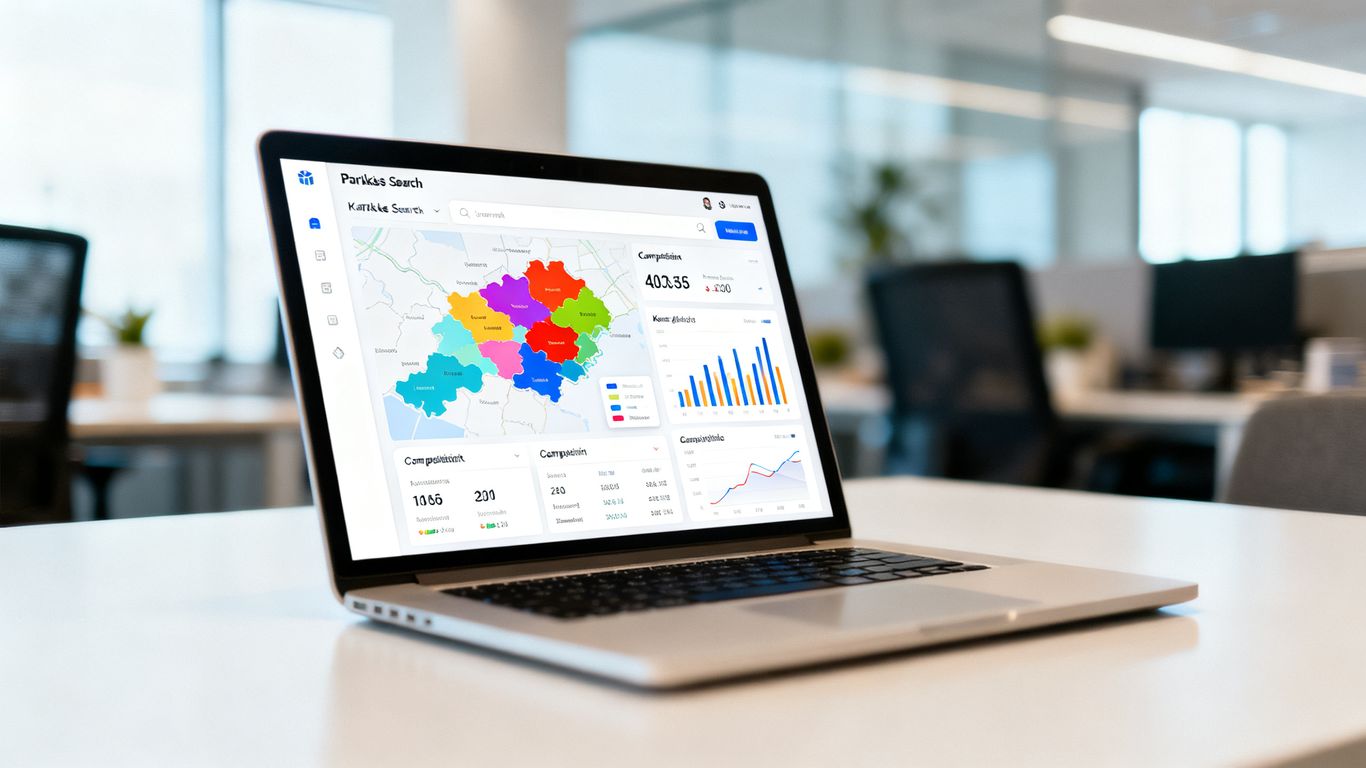
Utilizing competitor gap analysis to identify missed opportunities
Competitive analysis begins by mapping out where competitors fail to rank for relevant long-tail queries. By studying their listings, brands can identify exact indexation gaps where competitive bidding is low. Implementing structured analysis tools reveals where customers are actively hunting for specific product features that major brands leave entirely unmentioned. For example, in the niche of baby care and development, analyzing a major provider like Suavinex might show how a legacy focus on ergonomics and certified materials leaves specific modern long-tail keywords wide open for competitors to own.
Mapping long-tail keywords to shopper intent
Long-tail phrases attract buyers who are at the very end of the purchasing funnel. These customers know exactly what they need, which translates to massive conversion percentages when a listing answers their specific queries directly. A helpful example of this is how shoppers research vehicle transport logistics; clear educational guides explaining car shipping brokers help users understand distinct operational roles so they can make high-intent purchasing decisions. On Amazon, matching highly specific search terms (such as "leakproof BPA-free glass containers") to the correct landing page ensures that incoming traffic converts instantly.
Leveraging seasonal buying trends for year-round visibility
Seasonal shopping trends provide highly profitable opportunities for brand catalog updates. However, maintaining steady organic placement throughout the year requires preparing structural catalog updates months before peak demand periods. Advanced sellers build structural indexation calendars, shifting focus dynamically between regular baseline keywords and seasonal gift-related terms to secure steady sales velocity year-round.
Conversion rate optimization as a ranking signal
Conversion rate optimization (CRO) is a fundamental pillar of any retail search campaign. When a listing converts a high percentage of shoppers, the algorithm pushes it higher in the organic search results, transforming every on-page detail into a powerful ranking factor.

Managing product reviews to build social proof
Customer reviews are crucial for converting shoppers and building immediate social proof. High-volume, highly detailed user ratings with images and videos confirm product quality, resolving consumer hesitations and lowering bounce rates on the listing. Managing this critical customer feedback loop effectively helps brands build a trusted brand presence that drives customer loyalty and increases organic conversion rates.
Balancing competitive pricing for Buy Box eligibility
Your organic placement can decline rapidly if your price point causes you to lose control of the featured offer, or Buy Box. The search engine actively deprioritizes listings that are priced higher than comparable external retail channels. Review this quick breakdown of how crucial product listing variables impact overall visibility and organic search performance:
| Ranking Variable | Impact Level | Primary Influence | Optimization Strategy |
|---|---|---|---|
| Buy Box Control | Critical | Pricing & Seller Health | Maintain competitive retail pricing and operational health |
| Sales Velocity | High | Traffic & Conversion Rate | Drive initial traffic with strategic advertising campaigns |
| Customer Reviews | High | Social Proof & Trust | Deliver consistent quality and engage with customer feedback |
Maintaining competitive, consistent pricing across all sales channels is essential to preserve Buy Box priority, keeping your product discoverable and eligible for immediate purchase.
Ensuring fulfillment speed matches customer expectations
Fulfillment speed is a critical determinant of search visibility, as the search engine actively prioritizes listings that guarantee fast shipping. Modern shoppers expect rapid, reliable delivery, and delay flags can quickly ruin your listing’s conversion rate. Just as families seek highly durable consumer goods like glass meal prep containers to simplify everyday life, they also expect seamless fulfillment. Keeping inventory levels healthy and utilizing reliable logistics networks guarantees your products show up with fast shipping badges, directly boosting conversion rates.
The role of creative assets in search visibility
High-quality visual content plays a major role in search performance by driving click-through rates (CTR) and boosting listing conversions. Creative assets are the primary connection point between a cold search result and an active buyer.
Crafting image galleries that influence click-through rates
Your primary hero image is your first opportunity to capture user attention in the search results. Designing clean, professional visual images that adhere to marketplace guidelines—while clearly showing product value—can double your click-through rates. Additional gallery images should show the product in use, highlight key dimensions, and list product benefits, translating visual details into immediate sales.
Optimizing A+ content for search reach and brand storytelling
Developing high-quality A+ Content helps brands tell their stories while answering common buyer questions. This premium real estate is perfect for building brand authority, cross-selling your catalog with comparison charts, and reducing return rates. Using detailed product comparisons and clear brand messaging dramatically increases overall conversion rates, proving to the search engine that your listing satisfies consumer interest.
Using video assets to increase time-on-page and engagement
Utilizing crisp video assets keeps shoppers engaged on your product listing for longer, directly reducing listing bounce rates. This extra time on page signals to the search engine that buyers are highly interested in your product. Much like reading student success stories from the Total Guitar Transformation Academy builds trust, engaging video content clearly demonstrates real-world application, dissolving buyer hesitation and boosting conversions.
Using Amazon Advertising to drive organic ranking
Paid media is a highly effective way to grow your brand’s organic search visibility. By driving immediate, targeted sales velocity, paid search helps new and established listings claim dominant category placements.

Creating a feedback loop between paid and organic keywords
An effective advertising campaign provides clean, real-world keyword data that takes the guesswork out of listing optimization. Rather than relying solely on third-party estimates, brands use search term reports to identify high-converting queries inside active campaigns. These high-performing search queries can then be integrated into bullet points, product descriptions, and backend search terms, helping you naturally grow your organic search reach over time.
Improving organic search rank through targeted sponsored products
Sponsored Product campaigns allow brands to buy highly visible placement on competitive search result pages, driving early sales velocity that directly supports organic rankings. This strategic visibility is essential for competitive niches. When you book structured services with marketing experts, you can design targeted ad campaigns that drive consistent sales volume, helping your listings climb organic search rankings much faster.
Budgeting for brand defense and market conquest strategies
To build a stable marketplace presence, brands must balance brand-defense campaigns with aggressive offensive targeting. Defense campaigns protect your high-intent customer traffic by showing ads for your own products on your branded listings. Meanwhile, conquest campaigns place your products on competitor detail pages, helping you capture new customers and expand your overall market share. This multi-layered strategy keeps your brand highly visible and safe from competitor encroachment.
- Conquesting competitor terms drives new consumer traffic directly to your catalog.
- Defending branded searches keeps competitor ads off your high-value product listings.
- Category term targeting builds a steady stream of generic baseline search traffic.
By leveraging this combined advertising approach, you create a powerful flywheel effect where paid sales velocity continuously drives organic rank higher.
Performance tracking and iterative optimization
Maintaining top rankings on Amazon is an ongoing process. To stay ahead of competitors, brands must actively monitor their performance metrics, tracking both backend data and competitor movements to make adjustments in real time.
Deciphering search query performance reports
Search Query Performance (SQP) reports provide invaluable insight into what real shoppers do at every stage of the funnel. Unlike third-party estimates, this first-party search data shows exact click, cart addition, and purchase metrics for your top keywords. Reviewing this data regularly helps you identify exactly where shoppers drop off, allowing you to optimize underperforming steps and maximize conversion rates.
Tracking share of voice against industry benchmarks
Simply monitoring keyword ranks is no longer enough to stay competitive. Brands must track their total Share of Voice (SOV) to understand how much visual presence they control on target search result pages compared to competitors. Monitoring organic versus paid SOV helps brands allocate ad budgets efficiently, ensuring maximum visual presence for high-value search terms.
Implementing A/B testing cycles for continuous improvement
Sellers must run systematic, data-driven tests on their primary visual elements and titles to constantly improve listing performance. Using continuous optimization experiments removes emotion from branding decisions, allowing real consumer behavior and data to guide visual edits. Regular optimization cycles ensure listings stay current with changing customer habits, turning creative optimization into a reliable driver of organic search success.
Conclusion
Dominating the digital shelf requires a deep, strategic understanding of how search algorithms, conversion rates, and paid media work together. By focusing on conversion metrics, using precise advertising data to optimize listings, and continuously testing creative assets, brands can construct a powerful organic flywheel that keeps their products highly visible and profitable over the long term.
Frequently Asked Questions
How does the current customer search algorithm prioritize different listings?
The marketplace search algorithm prioritizes listings based on direct conversion signals, catalog relevance, and historical sales velocity. Rather than just scanning for keyword density, the system evaluates how buyers interact with a listing, placing products that have high purchase rates at the top of the search results.
Why can my product catalog lose its organic search ranking over time?
Organic rankings often slip due to inventory stockouts, sudden price increases, or a decline in sales velocity compared to competitors. The marketplace system favors active, highly available listings that convert consistently, meaning slow stock replenishment or rising return rates can quickly hurt your organic placement.
What is the best way to uncover high-converting search keywords?
The most effective way to identify high-converting search terms is by analyzing search term reports from your active PPC advertising campaigns. This first-party transaction data reveals the exact search terms buyers use to purchase your products, allowing you to focus your SEO strategy on proven, high-converting keywords.
How do product review counts and overall star ratings affect organic visibility?
Reviews impact search visibility by directly influencing absolute conversion rates and building buyer trust. While review volume is not a direct ranking factor on its own, the positive social proof reviews provide dramatically increases click-through and purchase rates, which in turn signals to the algorithm that your listing deserves higher organic visibility.
Can running paid advertising campaigns directly help my organic ranking?
Yes, targeted advertising campaigns directly support organic rankings by driving initial sales velocity, which is a primary ranking signal in the search algorithm. The search engine treats purchases from paid ads as valid transactions, helping your product build the performance history it needs to rank organically.
How does fulfillment speed affect my product listing search reach?
Fulfillment speed is a critical ranking factor because the search engine prioritizes listings that guarantee fast shipping. Products that feature fast, reliable shipping badges enjoy much higher conversion rates, making logistics performance a key driver of search discoverability.
Why is visual storytelling so important for ranking on competitive keyword searches?
Visual storytelling through high-quality image galleries and premium descriptive content increases time on page and drives conversion rates. When creative assets quickly show the value of your product, they reduce listing exit rates, signaling to the search engine that your product is highly relevant to buyer searches.