What Top Brands Understand About TikTok Shop product launch

Jaša Furlan
Founder & CEO
So, you’re thinking about launching a product on TikTok Shop? It’s a big deal right now, and lots of brands are jumping in. But, like anything, just showing up isn’t enough. You gotta know how this whole thing works. It’s not like Amazon or your usual online store. TikTok is its own beast, and if you don’t get it, you’ll probably just waste time and money. Let’s break down what the smart brands are doing to make their TikTok Shop product launch a success.
Key Takeaways
- TikTok Shop isn’t just another place to list products; it’s a whole different shopping experience driven by entertainment and creators. Brands that treat it like a traditional marketplace often miss the mark.
- Creator partnerships are huge. Videos made by creators tend to do way better than brand-made videos when it comes to getting people interested and building trust for your TikTok Shop product launch.
- Success on TikTok Shop comes from being fast and willing to try new things. It’s about testing content quickly, seeing what works, and ditching what doesn’t, rather than just posting more or running ads blindly.
- The platform’s algorithm rewards content that keeps people watching and buying. Understanding this ‘content-to-commerce’ loop is key, and it means your product needs to be visually appealing and easy to understand quickly.
- Don’t forget the basics of running a business. Fast shipping, smart pricing that accounts for fees, and having enough content are just as important for a smooth TikTok Shop product launch as the flashy videos.
Aligning Brand Strategy With TikTok Shop Product Launch Dynamics
Rolling out a new product on TikTok Shop isn’t just about choosing the right items and hitting "post". It’s about understanding what drives TikTok shoppers, how your products actually fit into the platform’s ecosystem, and making sure your team and tech can handle the quick pace. Let’s break this down.
Understanding Audience Behavior on TikTok Shop
If your brand is used to marketing on search-driven platforms, the shift to TikTok Shop can feel jarring. TikTok users, especially Gen Z and younger Millennials, shop for fun, not out of necessity. That means:
- They want products that create excitement or solve unexpected problems.
- Decisions happen in seconds, often off the back of a funny, weird, or practical video.
- Shoppers trust regular people and creators more than polished brands.
Content that entertains, informs, or surprises is far more likely to spark an order than traditional ads. If your customer base is young, trend-focused, and likes discovering new stuff, TikTok Shop is probably worth exploring.
The “TikTok made me buy it” effect wouldn’t be so strong without this unique blend of entertainment, trust in creators, and fast follow-through on impulse buys.
Assessing Product Fit for the Platform’s Ecosystem
Not every product will succeed here. TikTok Shop rewards items with viral, visual appeal. Ask yourself:
- Can your product clearly show its value in a short video?
- Is it easy to demo, use, or explain in seconds?
- Do creators and regular folks love showing it to their friends?
Here’s a simple guide for checking product fit:
| Product Feature | Works Well on TikTok Shop | Rarely Succeeds |
|---|---|---|
| Visually interesting | Yes | No |
| Low frustration to use | Yes | No |
| Easy to explain | Yes | No |
| Niche audience | Sometimes | Yes (if obscure) |
Tip: Brands often see quick traction when products can be demonstrated by real users, not just by polished spokespeople.
Establishing Platform Readiness and Operational Flexibility
TikTok Shop moves fast. If you can’t keep up with its speed, customers will notice—and so will the algorithm. Make sure you:
- Ship quickly—order fulfillment within 24 to 48 hours is now standard.
- Adjust your pricing. TikTok shoppers may react differently than those on other platforms; factor in platform fees and creator payouts (read more on TikTok Shop’s unique model).
- Develop a basic plan for producing content, ideally a mix from your brand and creators.
- Stay flexible. Test small, watch how things land, and be ready to change course quickly.
TikTok Shop isn’t just another sales channel; it’s a non-stop experiment. The brands who treat it this way—by testing ideas, learning fast, and shifting tactics—are the ones who get ahead.
If you only want a steady, slow-moving sales channel, TikTok Shop might not be your scene. But for brands ready to match the speed and chaos of today’s social shopping, it’s a serious growth lever.
Leveraging Creator Partnerships for Accelerated Product Discovery
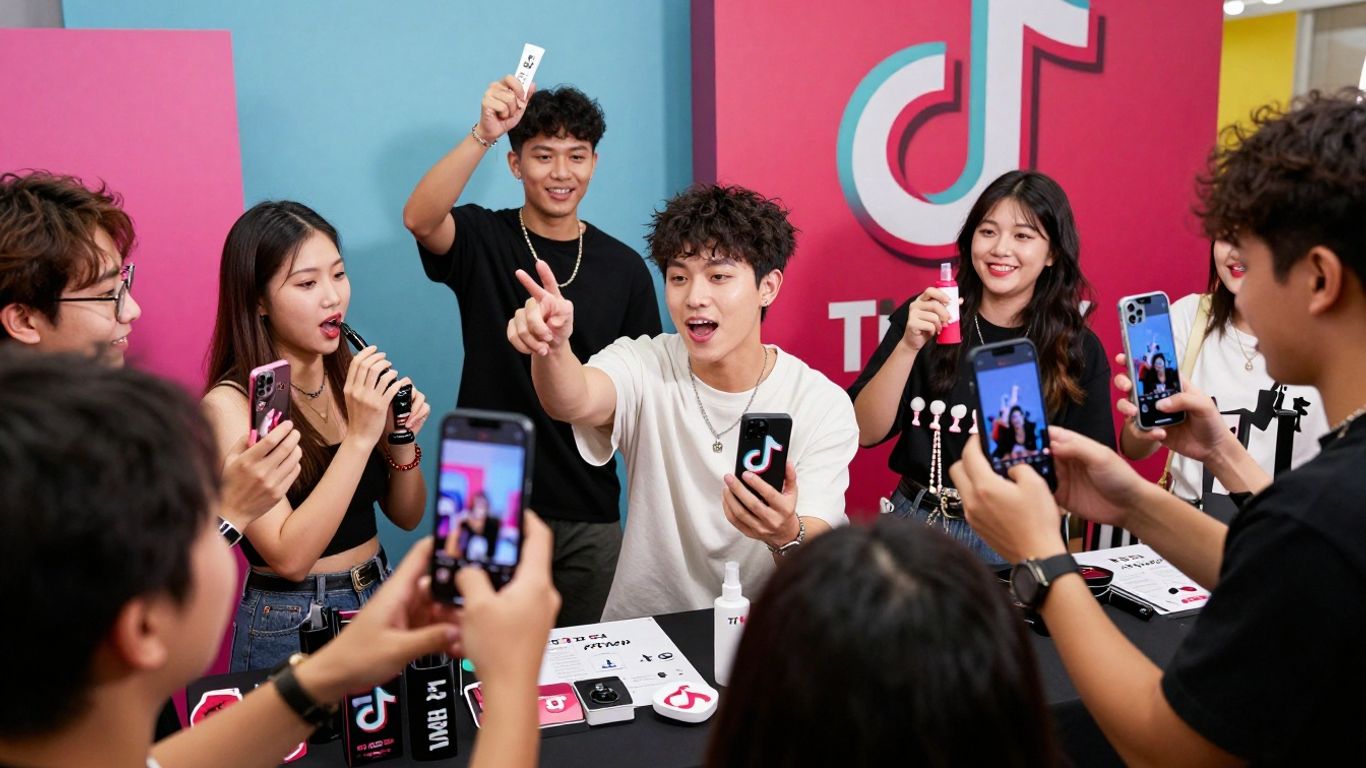
TikTok Shop isn’t like your usual online store—brands here move fast and trends are built around real people making content your audience wants to watch. Top brands get that working with creators is what helps their products get noticed quickly, and by the right people, too. If you’re trying to boost your launch’s speed and scale, understanding how to team up with creators is everything.
Why Creator-Led Content Outperforms Brand-Only Videos
Here’s the thing most marketers don’t want to admit: when a creator shares a product, it just comes across as more believable than a slick ad. People scroll right past overly polished brand videos, but stop to watch creators they trust. Audiences respond better to real people showing genuine reactions, and that leads to more sales.
- Creators already know how to talk to their followers, and it feels natural to their audience.
- Their recommendations double as social proof—something a brand-sponsored video just can’t fake.
- TikTok’s own algorithm tends to reward this kind of authentic content with better reach.
If you want consistent results, focusing on creator-led clips rather than only branded content will pay off over time.
Best Practices to Identify and Partner With Relevant Creators
Finding the right creators is more about alignment than just follower counts. Here’s how smart brands do it:
- Focus on niche alignment: Look for creators whose existing content and audience naturally fit your category. If you sell kitchen gadgets, go for creators who do product demos or cooking tips—not just anyone with big numbers.
- Check their engagement rates: Likes, comments, and shares matter more than follower count. High engagement usually signals greater influence over buying behavior.
- Review past sponsored posts: See how they present sponsored content. Do followers react positively, or does it feel forced?
In some cases, programs like the OLLY Open Affiliate Program set clear expectations and help smooth out the legal side, so everything’s up front for both sides before a campaign begins.
Integrating Authenticity into Product Launch Campaigns
No one wants to buy from a faceless corporation. TikTok shoppers in particular want to see real, everyday people getting real results. Building authenticity means:
- Allowing creators to develop their own takes on the product—don’t over-script it.
- Sharing honest reviews and showing actual product use, including imperfections.
- Favoring regular micro-influencers who already use or relate to products like yours.
The fastest-growing launches on TikTok Shop always feel personal—not choreographed. Give creators room to show off your product in their own style, and you’ll hit that sweet spot where viewers feel like buying is just a natural next step.
Remember, testing and experimenting with a mix of creators will help you find what works best for your brand. The most successful brands keep adjusting their creator strategy as they learn from each campaign and trend.
Optimizing Content Strategy for TikTok Shop Product Launch
When you’re getting ready to launch a product on TikTok Shop, the content you put out there really matters. It’s not just about showing off your product; it’s about making people want it right then and there. Think fast, think visual, and think about what makes people stop scrolling.
Developing Visually Impactful and Engaging Product Videos
On TikTok, videos need to grab attention immediately. Long intros or complicated explanations just won’t cut it. Your product needs to look good on camera, and the video should clearly show what it does or the problem it solves. The goal is to make the product look desirable and easy to buy within seconds.
- Show, don’t just tell: Demonstrate the product in action. How does it work? What results can someone expect?
- Keep it short and sweet: Aim for videos under 30 seconds, ideally even shorter, to maintain viewer interest.
- Highlight benefits, not just features: Focus on how the product improves the customer’s life.
- Use good lighting and clear audio: Even simple setups can look professional with attention to these details.
Utilizing Viral Trends and Interactive Content Formats
Jumping on trends can give your product launch a big boost. TikTok’s algorithm loves content that feels current and engaging. Think about sounds, challenges, or video styles that are popular right now. Using interactive elements like polls or Q&A stickers can also get people involved.
Using trending sounds or formats can significantly increase the visibility of your product launch content. It taps into what users are already watching and enjoying, making your product feel more relevant.
Balancing Creator-Generated and Brand-Led Content
While brands can create their own videos, content made by creators often performs better. People tend to trust recommendations from creators they follow. A good strategy is to work with creators to show off your product authentically. Then, you can use your own brand-led content to reinforce key messages or highlight specific deals. This mix helps build trust and broadens your reach.
- Creator Content: Focuses on authentic use cases and builds trust. It’s great for initial discovery and social proof. Learn about creator partnerships.
- Brand Content: Can be used for direct calls to action, explaining product details, or announcing promotions. It helps control the narrative.
- Boosted Content: Amplify high-performing creator videos with paid ads to reach a wider audience. This ensures you’re spending money on content that’s already proven to work.
This hybrid approach helps you tap into the creator economy while maintaining brand control, a strategy that many successful brands on TikTok Shop are adopting. It’s about using the platform’s strengths to create a compelling narrative around your product. TikTok Shop growth often relies on this blend of authentic and direct messaging.
Mastering the TikTok Shop Algorithm for Maximum Product Reach
Getting your products in front of TikTok’s massive audience isn’t a matter of luck. It’s about working with the platform’s algorithm and recognizing what it wants: fast engagement, high watch times, and sales velocity. Brands that figure this out see their products shoot up in reach and sales. Let’s break down the essentials for understanding and working with the TikTok Shop algorithm, one step at a time.
The Role of Engagement Metrics in Content Distribution
If you’re aiming for high reach, engagement is your north star. The TikTok Shop algorithm pushes shoppable videos first to a small test audience; if the content performs (with watch time, comments, shares, purchases), it’s then shown to larger groups. The more an audience interacts, the further the content travels.
Here are the key signals TikTok Shop pays attention to:
- Average watch time (especially if viewers stay past 3 seconds)
- Clicks and interaction with product tags
- Comments and shares
- Add-to-cart and purchase rates
- Velocity of sales generated
| Metric | Why It Matters |
|---|---|
| Watch time | Shows how engaging |
| Cart adds/buys | Measures intent |
| Comments/shares | Indicates virality |
| GMV velocity | Drives distribution |
Try focusing on quick product demos and clear problem-solving visuals, because complex or slow intros lose attention super fast on this platform.
Understanding the Content-to-Commerce Loop
There’s a unique rhythm to how TikTok Shop content turns into purchases. Once a creator tags your product and posts, TikTok’s algorithm does two things:
- Tests the video with a smaller crowd.
- If it meets strong engagement and sales signals, releases it to bigger groups.
This creates a feedback loop—the product that generates excitement and action gets even more reach. The system rewards:
- Fast starts (GMV momentum within hours of posting)
- Multiple videos from different creators
- Visible social proof in the comments section
Brands that collaborate with many creators have a higher chance of triggering this loop multiple times.
Adapting to Algorithmic Changes and Opportunities
TikTok Shop is always tweaking what gets rewarded in the feed. Major algorithm shifts usually focus on keeping users glued to the app while still driving in-app purchases. To stay ahead:
- Regularly test different content types (unboxings, live demos, trends)
- Monitor metrics for early dips or spikes in reach
- Be ready to switch creative strategies or adjust your creator lineup
- Use trending audio and formats to boost discoverability, especially since viral elements can change weekly
For strategies tied to live, interactive selling formats, it’s worth looking at engaging real-time interactions as one way to push engagement numbers up fast.
Brands that keep their content calendar flexible tend to adapt better, moving quickly when new features or shifts in engagement patterns emerge. This experimentation mindset is what keeps a brand visible in the fast-moving TikTok Shop landscape.
Building Operational Excellence for Seamless Fulfillment and Scaling
Speed, consistency, and the right systems are what separate successful TikTok Shop launches from the rest. Operational excellence isn’t just about shipping orders; it’s about setting up smooth processes that help a brand grow without stumbling over the basics. When TikTok users hit buy, they expect quick, reliable transactions, and if you can’t deliver, someone else will.
Ensuring Speed and Reliability in Order Fulfillment
If you want to win on TikTok Shop, shipping speed matters—period. Here’s what top brands get right:
- Ship most orders within 24-48 hours to keep customers coming back.
- Use integrations like MCF so your TikTok inventory pulls from Amazon or warehouse stock automatically.
- Always hold some safety stock to prevent sudden sellouts, especially if content goes viral (which can wipe out months of inventory in days).
| Fulfillment Option | Typical Delivery Time | Best for |
|---|---|---|
| TikTok Warehouses | Fastest (1-2 days) | Viral or daily sellers |
| 3PL Partners | 2-5 days | Bulkier, slower SKUs |
| MCF (Amazon) | 2-3 days | Brands with Amazon ops |
Missing fulfillment deadlines means TikTok’s algorithm can slow your reach, hurting both visibility and sales. Staying fast and keeping your promises is nonnegotiable if you want to compete with bigger players.
Adjusting Pricing Strategies for Platform Economics
TikTok shoppers don’t always think like Amazon buyers. Brands that just copy pricing from other platforms risk losing out. Here’s how the smartest teams adjust:
- Factor in creator commissions and TikTok Shop fees. Build this into your margin targets.
- Try pricing some items lower-and-faster, and others as premium options. See what your audience responds to.
- Offer bundle discounts or limited-time deals, especially during live selling to encourage quick conversions.
It’s also important to regularly compare how your prices stack up against similar products. Don’t be afraid to experiment—a few dollars either way can make a big difference for conversion rates.
Leveraging Integration Tools for Multi-Channel Success
Managing inventory and orders across several shops can overwhelm any brand. Tools that synchronize listings, fulfillment, and analytics are becoming a must-have, especially for fashion and D2C brands who want to avoid stockouts and confusion. Leading brands:
- Sync their catalog data across TikTok, Amazon, and other key channels to reduce manual errors.
- Use software to automate routine work: order routing, inventory updates, and analytics.
- Track everything in one dashboard, keeping an eye on what’s performing and what needs to change.
You’ll see more on integrated digital marketing strategies—including catalog management and fulfillment tips—across all marketplaces if you check out fashion brand marketing recommendations.
When operational processes work in the background, your team gets more time to focus on creative campaigns and customer connection.
Building the right systems on TikTok Shop is less about being flashy and more about getting the boring parts right, every single time. If you want to scale, make sure your processes can keep up with the content your team dreams up.
Analyzing Data to Identify High-Potential TikTok Shop Product Launches
Brands that find success on TikTok Shop aren’t just guessing what people might want to buy—they look closely at real numbers to spot the products with breakout potential. The difference between a winning launch and a total flop often comes down to interpreting the right data at the right time. Here’s a closer look at what goes into this process.
Evaluating Content-to-Conversion Gaps
Rather than simply following trending hashtags, top brands focus on where people’s attention isn’t matching up with purchases. If a category racks up millions of views but has few shoppable videos converting to sales, that’s a clear content-to-conversion gap.
Key signals to watch for:
- Consistently high video views for a product or problem area.
- Engaged comments such as “Where can I buy this?” or “Is there a cheaper version?”
- Few effective links or calls to action in the top-performing content.
This is one of the fastest ways to spot products likely to take off, and you can streamline it by using modern analytics or toolkit solutions designed for TikTok Shop market analysis.
| Metric | What to Watch |
|---|---|
| Hashtag view counts | 10M+ but low sales |
| Comments-to-views | High ratio |
| Shoppable video ratio | Low in top posts |
Utilizing Market and Competitor Analysis Tools
Relying only on intuition isn’t enough. Brands aiming for the next hit analyze:
- Total addressable audience size for the specific niche.
- Competitor product listings—especially weak spots in offers or presentation.
- Affiliate and creator relationships that competitors lean on.
- Price points tied directly to conversion rates.
Solid data tools let you stack your potential product against market trends so you’re not blindsided by sudden competition or shifting preferences. Even if you’re new to these tools, there are accessible dashboards and comparison trackers that make this actionable.
Iterating Quickly Based on Real-Time Insights
On TikTok Shop, hesitation usually means getting left behind. Brands adjust campaigns in a matter of days, not months, based on:
- Early content performance metrics (watch time, click-throughs, immediate sales)
- Trends in comments (questions, objections, viral themes)
- Competitor moves—like sudden upticks in creator engagement
Blockquote:
Moving quickly on TikTok Shop isn’t just helpful—it’s a must if you want to snag trends before they’re everywhere. Don’t get stuck revising a strategy while your competitors have already pivoted to what’s working now.
Finally, don’t treat your first launch plan like it’s set in stone. Optimize fast and don’t hesitate to test new creative angles the moment you see signs from your data. Active brands who learn how to move with the numbers—not just their gut—are the ones who keep growing year after year. By following a data-driven, real-time approach, brands prepare themselves to spot the next breakout product before the crowd. For a fast, adaptive approach, prioritize analyzing and adjusting as TikTok Shop changes—it’s how top brands keep winning.
Harnessing the Halo Effect: Driving Cross-Channel Sales Through TikTok Shop
It’s easy to get caught up in the immediate sales numbers on TikTok Shop, but smart brands know the real magic happens when that TikTok buzz spills over. This is what we call the "halo effect," where interest sparked on TikTok leads to purchases elsewhere, like on Amazon or even in physical stores. TikTok Shop isn’t just a sales channel; it’s a powerful discovery engine.
Enhancing Brand Recognition Across Ecosystems
Think about it: someone sees a cool product demo on TikTok. They might not buy right then, but they remember the brand. Later, when they’re browsing Amazon or even doing a general web search, that brand recognition kicks in. They feel more comfortable buying from a brand they’ve already seen and liked on TikTok. This familiarity can significantly boost how often people search for your brand directly, which is a great sign for overall business health.
Monitoring Branded Search Lift and Conversion Rates
How do you know if this halo effect is actually working? You watch your data. Keep an eye on how many more people are searching for your brand name on platforms like Amazon after you’ve had a successful TikTok campaign. A jump in these branded search queries suggests TikTok is doing its job of building awareness. You can also track if customers who discover you on TikTok are more likely to convert on other platforms. Some sellers have reported seeing Amazon sales climb by 25% without spending more on Amazon ads, simply because TikTok content was pre-selling customers.
Coordinating Amazon and TikTok Shop Strategies
To really make this work, your strategies need to talk to each other. Make sure your brand name is clear in your TikTok videos. Don’t just show the product; tell your brand’s story. This makes the connection stronger. When customers search for your brand on Amazon, they should find a consistent experience. This cross-channel synergy is key to maximizing the impact of your TikTok Shop efforts. It’s about building a bigger brand presence, not just making a quick sale on one platform. The goal is to have TikTok drive interest that converts into loyal customers across all your sales channels. This is how you build a sustainable business in the age of social commerce [ac1e].
The platform rewards velocity, meaning content that keeps users engaged and drives immediate sales gets pushed further. Understanding this dynamic is key to turning TikTok discovery into broader brand success.
Wondering how TikTok Shop can help boost your sales on other channels? See how the Halo Effect works to grow your business and improve your brand everywhere. Want more tips or ready to level up your sales? Visit our website to learn more and get started today!
Conclusion
At the end of the day, top brands know that TikTok Shop isn’t just another place to list products and hope for the best. It’s a fast-moving, creator-driven space where what works on Amazon or Walmart might not work here. The brands that win are the ones that treat TikTok Shop as its own thing—testing ideas quickly, working with creators, and staying flexible when trends shift. They don’t just post more videos or throw money at ads; they pay attention to what actually gets people excited and ready to buy. TikTok Shop isn’t a replacement for other channels, but it can help you reach new buyers and build buzz that carries over to your main store or Amazon listings. If you’re thinking about launching, make sure your team is ready to move fast, create content, and work with creators. Sometimes, waiting or skipping TikTok Shop is the right call, but for brands that fit, it’s a big opportunity to grow in a new way.
Frequently Asked Questions
What is TikTok Shop and how is it different from places like Amazon?
TikTok Shop is a place within the TikTok app where you can buy things. It’s different from Amazon because it’s all about discovering products through fun videos and creator recommendations, not just searching for what you already know you want. Think of it as more like shopping while being entertained.
Do I really need to work with creators to sell on TikTok Shop?
Yes, working with creators is a really big deal on TikTok Shop. Their videos often get way more attention and trust from shoppers than videos made just by the brand. If you don’t team up with creators, it’s much harder to get your products noticed and sell them.
Is TikTok Shop going to replace Amazon or other big online stores?
No, not really. TikTok Shop is more like an extra place to sell. It’s great for showing your products to new people, getting them excited to buy, and making sales in different ways. It usually works best alongside places like Amazon, not instead of them.
What’s the biggest mistake people make when trying to sell on TikTok Shop?
A common mistake is thinking you’ll succeed just by posting a lot of videos or running ads. TikTok Shop actually rewards brands that are quick to try new things, learn from what works and what doesn’t, and are ready to handle orders smoothly. It’s not just about ads; it’s about being smart and fast.
Does every single brand need to be on TikTok Shop?
Not necessarily. TikTok Shop is powerful, but it’s not for everyone. You should think about whether your ideal customers hang out on TikTok, if your products look good in videos, and if you can handle making content and shipping orders quickly. Sometimes, it’s smarter to wait or not join at all.
How can TikTok Shop help my sales on other websites like Amazon?
TikTok Shop can create a ‘halo effect.’ This means people see your product on TikTok, get interested, and then might search for it on Amazon later to buy it. Seeing your brand on TikTok makes customers trust it more when they find it elsewhere, which can lead to more sales on those other sites without you spending extra on ads there.