A Practical Guide to Amazon bid optimization

Jaša Furlan
Founder & CEO

Key Takeaways
Effective bidding strategies are essential for maintaining profitability while capturing market share on Amazon. Proper management requires a balance between algorithmic precision and human oversight.
- Define clear objectives before adjusting any advertising bids.
- Focus on ACoS and TACoS to track actual spend efficiency.
- Allow data windows of at least two weeks before making changes.
- Use automated rules to maintain performance during high-traffic periods.
- Regularly prune underperforming keywords to reallocate budget effectively.
Understanding the fundamentals of Amazon bid optimization
The process of managing advertising costs requires a clear grasp of how your bids interact with the marketplace. You are essentially competing in a live auction every time a shopper searches for your product, making Amazon bid optimization a critical skill for any successful seller. By carefully monitoring your inputs, you can ensure that your advertising budget reaches high-intent shoppers.
The relationship between bid price and search visibility
Your bid is the maximum amount you are willing to pay for a click on your advertisement. Higher bids generally move your product into more competitive placement slots, increasing the likelihood of appearing at the top of search results. While bidding higher creates greater exposure, you must ensure that this visibility translates into actual sales to remain sustainable.
Understanding second-price auctions on Amazon
Amazon utilizes a second-price auction model, meaning you rarely pay your maximum bid. You only pay one cent more than what is required to beat the next highest bidder, which helps protect your margins. Understanding how Cost-Per-Click (CPC) works is essential because the auction environment fluctuates based on real-time competitor demand.
Factors influencing your cost-per-click (CPC)
The final cost of your clicks is determined by a combination of your bid, your ad relevance, and the historical performance of your listing. Even if you hold a high rank, a low conversion rate can penalize your placement. It functions similarly to how comparing car shipping services requires looking beyond base price to understand total value and carrier reliability.
Balancing sales velocity with profitability
Rapid sales growth is often the primary goal for new products, but it can quickly erode profit if acquisition costs spiral. Managing your target ACoS requires a careful touch, especially when you are balancing market penetration against your bottom line. Much like developing a digital strategy, success hinges on predicting costs before they occur.
Setting your bidding strategy

Developing a robust strategy prevents the common trap of reactive bid adjustments. By grouping your campaigns by objective, you can tailor your approach to the specific needs of your inventory. Consistent application of these strategies is what separates long-term sellers from those who burn through budget too quickly.
Aligning bids with your target ACoS
Your target ACoS should reflect your specific profit margins and the current stage of your product cycle. Mastering the fundamentals of this metric ensures that every dollar spent supports your overall business growth. You must ensure your bidding rules are anchored to the desired profitability levels set for each individual ASIN.
Differentiating strategy by product lifecycle stages
New products often require aggressive bidding to gain initial traction, whereas mature products with high organic rank can sustain lower ad spend. The approach you take depends on whether you are fighting for awareness or protecting established categories. This mindset is not unlike leveraging flexible cancellation to keep listing conversion rates high during volatile travel seasons.
Adjusting for top-of-search versus product page placements
Amazon allows you to apply placement modifiers that adjust your bid based on where the ad appears. Top-of-search placements are typically held to a higher standard of relevance but yield the highest conversion potential. You should monitor these placements separately to determine if they justify the premium pricing required for visibility.
Establishing daily budget caps to manage spend
Setting fixed daily budgets provides a safety net that prevents runaway costs if bidding competition spikes unexpectedly. These caps act as your primary lever for daily spend control, providing assurance that your account will not overspend during hours when you are unable to actively monitor performance. Review your eBay listings and sales history to determine which hours reliably drive conversions for your target demographic.
Analyzing key performance indicators (KPIs)

Metrics are the language of successful advertising, providing the necessary feedback to adjust your bids correctly. Without tracking these signals, you are simply guessing. Always remember that data-driven marketing decisions are paramount for maintaining a profitable account.
Interpreting ACoS and TACoS data
Your Advertising Cost of Sales shows how much you pay to generate a specific ad sale, while Total Advertising Cost of Sales gives you a broader look at how advertising impacts your total business revenue. Master Amazon PPC concepts by keeping a close watch on both of these ratios to avoid being misled by ad-attributed performance alone.
Assessing conversion rate impact on bid efficiency
If your conversion rate is dropping despite a steady influx of traffic, your bidding strategy may need adjustment. You should review your KPIs periodically to ensure the listing page remains optimized for the traffic you are purchasing. Consider the primary factors in your efficiency analysis:
- Weekly conversion trends
- Click-through behavior
- Cost per conversion
- Daily order volume
Monitoring click-through rate to evaluate ad relevance
A high click-through rate suggests that your ad copy and images resonate with the audience, which in turn lowers your actual CPC. If your click-through rate is low, your bid will likely remain high to maintain visibility, regardless of how much you are willing to pay.
Using impression share to identify missed opportunities
Impression share measures how often your ad appears relative to the total available inventory for your target terms. Low impression share indicates that you are losing potential sales to competitors simply by not bidding enough during peak search hours.
Implementing manual bid adjustments
Manual control is perfect for those who want granular authority over their keywords and placement performance. While it is more time-intensive than automated solutions, the precision allows for specific micro-adjustments during product launches or inventory shortages.
Identifying underperforming keywords for bid reduction
Negative returns on specific keywords for more than two weeks suggest that the keyword relevance is poor. Reducing these bids incrementally allows you to test their performance before potentially pausing them entirely to save your budget.
Scaling high-converting keywords to maximize visibility
High-converting keywords are the backbone of your account and should be carefully nurtured to maintain or grow their current exposure. When allocating extra budget, prioritize these assets to ensure you maintain a dominant market position against your competitors.
Applying bid modifiers for specific audiences
Bid modifiers allow you to capture specific segments if you find that certain demographics are converting at significantly higher rates than others. Applying these modifiers effectively acts as a precision tool for boosting your reach without bloating your total spend.
Determining the optimal frequency for manual bid changes
Choosing when to modify your bids is about finding a balance between responsiveness and statistical significance. The following table provides a recommended cadence for common bid management tasks:
| Task Type | Recommended Frequency | Objective |
|---|---|---|
| Bid Reduction | Bi-weekly | Stop waste |
| Top Keyword Scaling | Weekly | Increase share |
| Placement Adjustment | Monthly | Efficiency |
By following a structured timeframe, you ensure that you are reacting to trends rather than temporary blips in account performance.
Leveraging automated bidding solutions
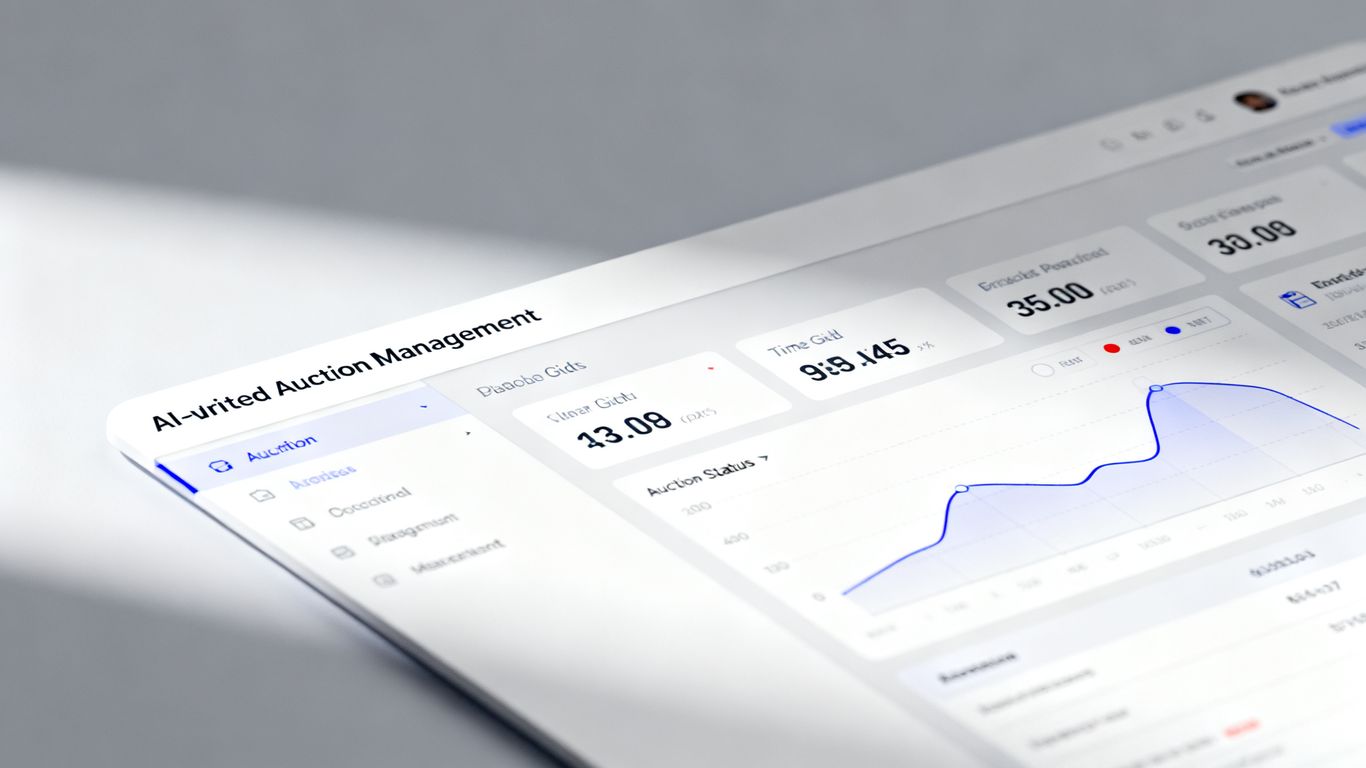
Automated tools can lift the operational burden from your team, letting the software handle the complexity of thousands of keyword inputs. Mastering different strategies helps in choosing between these automated options. When you book a call with an agency, you gain additional insight into which automation tools are currently best for your specific category.
Utilizing Amazon’s dynamic bidding features
Amazon offers built-in dynamic bidding, which adjusts your bids in real-time based on the probability of a conversion. This is a powerful, low-effort start for many sellers who want to leverage the algorithm’s own internal data to maximize performance without external software.
Evaluating third-party PPC management software
Advanced software suites provide deeper analysis, reporting, and customization than native Amazon tools. These platforms often incorporate machine learning to predict cost changes better and can handle portfolio management across hundreds of complex campaigns concurrently.
Setting up custom rules for automated bidding
Custom rules provide the "if-then" logic needed to guide the automation according to your proprietary business constraints. You can set thresholds that automatically lower bids if the ACoS exceeds a certain percentage, ensuring that your automated setup never drains your bank account while you sleep.
Weighing the trade-offs between manual control and AI optimization
AI optimization is fantastic for scaling, but it lacks the qualitative judgment that a human seller provides. Manual control is superior for high-stakes brand building or new product launches where the historical data needed for AI to function correctly simply does not exist yet.
Best practices for monitoring and refinement
Staying profitable requires more than just setting a bid once and walking away. You must treat your advertising as a live, breathing part of your business that needs consistent care and observation to evolve along with the market.
Managing the waiting period for data significance
A common mistake involves over-adjusting after only a few days, which resets the learning phase for your campaigns. A better approach is to ensure your PPC strategy allows for enough lag time to account for sales attribution delays and data processing delays.
Avoiding erratic bid spikes and constant adjustments
Making large, frequent changes creates instability in your account’s quality score. Small, incremental adjustments allow you to find the "sweet spot" of profitability without alerting the algorithm negatively or losing your placement history repeatedly.
Running A/B tests to optimize bid tiers
Testing different bid levels within specific campaigns helps you determine the point of diminishing returns. By running these tests, you can scientifically determine the highest bid that maintains a healthy margin, rather than assuming that higher bids are always synonymous with higher profit.
Seasonal bid adjustments for peak traffic periods
Peak periods like Prime Day or the holiday season require specialized planning to avoid massive overspend. Plan your adjustments weeks in advance to take advantage of higher traffic volumes while maintaining a strict cap on your ACoS during highly competitive, high-cost hours.
Conclusion
Success in bidding is not found in a single setting but in the constant cycle of analysis and incremental improvement. By maintaining a clear understanding of your costs and staying disciplined with your changes, you can ensure that your advertising budget creates genuine growth for your brand over the long term.
Frequently Asked Questions
How often should I update my bid amounts?
A consistent schedule is better than frequent, panicked changes, so aim for evaluation every 7 to 14 days, which allows sufficient data to accumulate for informed decision-making.
What is the primary difference between ACoS and target ACoS?
ACoS is the actual historical performance metric showing your current costs, while target ACoS is a strategic goal you set based on profit margins and growth objectives.
Can I automate my bids without using expensive software?
Yes, Amazon provides built-in bidding control options such as dynamic bidding up and down, which can handle automated adjustments without the need for additional third-party tools.
Why does conversion rate matter for bidding?
Higher conversion rates indicate that shoppers value your product, which leads Amazon to reward your ad with lower CPCs, making your budget more efficient.
What should I do if my performance data stays stagnant?
Before changing bids, review your listing for optimization issues like poor-quality images or unconvincing descriptions that might be suppressing your overall click-through and conversion numbers.
Are there specific times when bidding competition typically increases?
Competition almost always rises during major sales events, holidays, and peak shopping hours in the evenings, necessitating active budget management during those windows.
Is it ever beneficial to use very low bids across many keywords?
Yes, this "low and wide" strategy can sometimes help you find hidden opportunities with low competition, though it typically produces lower overall volume compared to more aggressive strategies.