What Top Brands Understand About TikTok Shop ads

Jaša Furlan
Founder & CEO
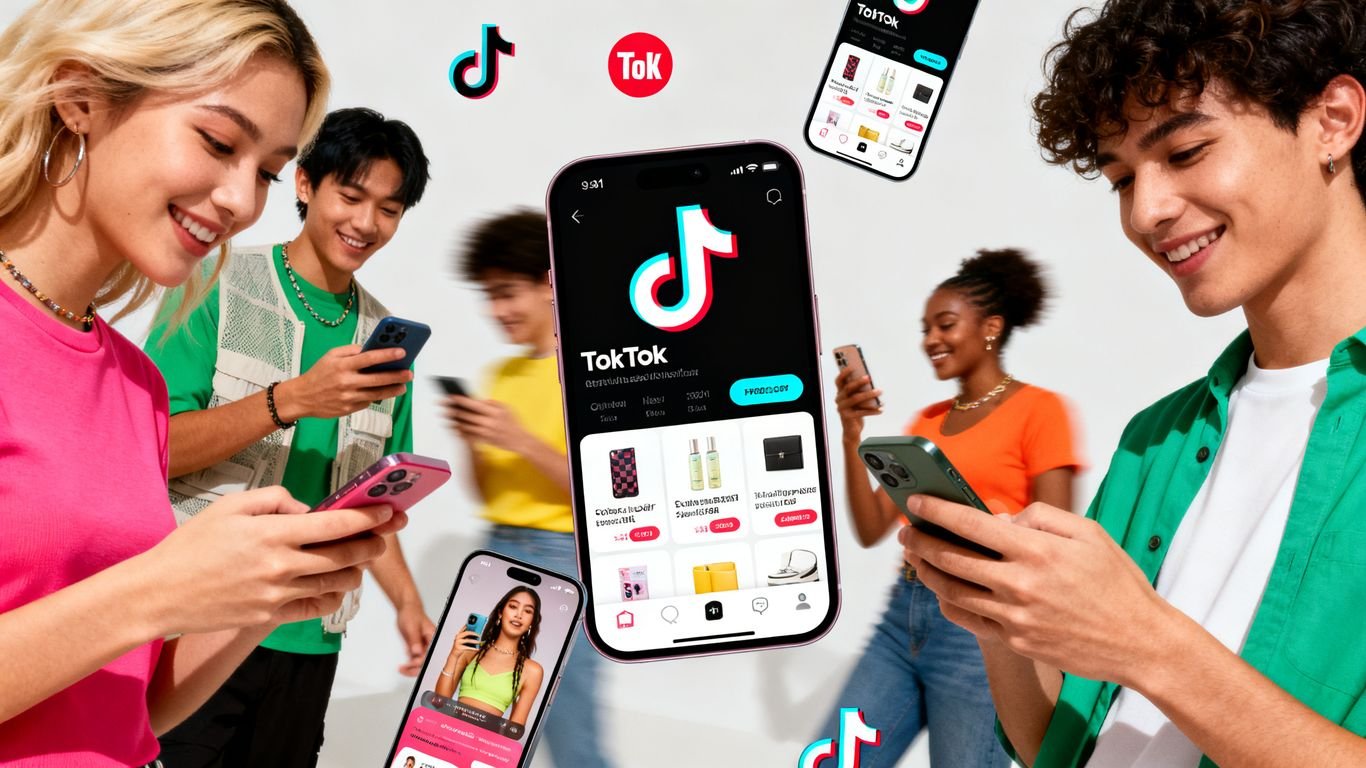
Top brands understand that TikTok Shop isn’t just a trend; it’s a powerful sales channel. Here are the main things they get right to see success:
Key Takeaways
- Treat TikTok Shop as a serious sales channel with its own goals and budget.
- Focus on discovery commerce, where users find products they didn’t know they needed.
- Build real relationships with creators who fit your brand, not just big follower counts.
- Create content that feels like TikTok – entertaining and real – to drive interest and sales.
- Plan your promotions around TikTok’s own events to get more eyes on your products.
Understanding The TikTok Shop Landscape

TikTok Shop isn’t just another e-commerce add-on. It’s changing how people find and buy products, and top brands are watching closely.
Embracing Discovery Commerce Over Traditional Search
Forget the old search-based approach. TikTok is a platform where shoppers often stumble into products they didn’t know they wanted. People scroll for fun, then suddenly spot something that catches their eye. This is discovery commerce in action, and it’s at the center of TikTok Shop’s success.
- Content first, shopping second—your videos must win attention before selling anything.
- “Aha!” moments are key. Shoppers on TikTok want instant excitement and inspiration, not a boring product pitch.
- Brands focusing on product discovery (not just being found) see more conversions and repeat purchases.
Forget chasing after users who already know exactly what they want. On TikTok, your job is to introduce the right product at the right scroll.
Leveraging Unique In-App Conversion Mechanics
What makes TikTok Shop stand out? It’s all about how easy it is to go from watching a video to making a purchase—without leaving the app. Here’s why that matters:
- Shoppable videos let users tap tags and buy on the spot.
- LIVE shopping brings real-time demo, Q&A, and one-click checkout together.
- Creator storefronts make it simple for influencers to highlight products to their audience.
This direct connection from entertainment to action takes away the usual friction of shopping. There’s no need to visit a website, search, or mess with a cart. This quick buying journey is what gives TikTok Shop a real edge over traditional channels.
If you want more on how TikTok ads work in the bigger picture, check out step-by-step ad setup and targeting.
Recognizing TikTok Shop’s Growing Market Significance
TikTok Shop is growing fast—and the numbers speak for themselves. The platform is no longer dominated by just Gen Z; Millennials and a wider range of demographics are also shopping here. Shopping is entertainment now, not just another task.
| Metric | 2025 (US) | Year-on-Year Growth |
|---|---|---|
| Total Sales | $15.82 Billion | 108% |
| Average Conversion Rate | 4.7% | – |
- Over half of TikTok users have bought something directly on the app.
- 70% say they discover new brands through TikTok content, not just ads.
- Nearly 50% of social shoppers buy at least monthly through TikTok Shop.
Brands that get involved early are already seeing steady sales and brand recognition. With rising ad costs everywhere else, TikTok Shop gives companies a way to reach customers and drive impulse purchases in a fun, trust-based space.
The bottom line? If you’re looking to build a new sales stream and keep up with how ecommerce is changing, it might be time to rethink your approach to TikTok Shop.
Building A Foundational TikTok Shop Strategy
Getting started on TikTok Shop isn’t just about listing products; it’s about treating it as a serious revenue stream. Many brands make the mistake of treating TikTok Shop like just another social media profile, posting content and hoping for the best. That’s not a strategy. A real strategy means assigning ownership, setting clear goals for sales (GMV), and understanding how this platform works differently.
Treating TikTok Shop As A Serious Sales Channel
Think of TikTok Shop as a dedicated sales channel, much like your website or an Amazon store. This means it needs its own goals, budget, and performance tracking. It’s not just a place to share brand updates; it’s where transactions happen. The speed at which sales can occur on TikTok is remarkable. Data shows an average conversion rate of 4.7% on TikTok Shop, which is more than double the rate on many other social platforms. Plus, the time from a user starting to browse to making a purchase can be under four minutes. This is a significant difference from traditional e-commerce, where that process often takes much longer. Brands that succeed view TikTok Shop as a core part of their sales funnel, not an afterthought. TikTok Shop is a powerful sales channel.
Setting Clear Sales Goals and Understanding Platform Nuances
To make TikTok Shop work, you need to get the basics right. This starts with setting up your Seller Center account, which is where you’ll upload your product catalog. You’ll also need to figure out how you’ll handle fulfillment – whether you’ll ship yourself or use a third-party service. TikTok takes a small cut of each sale, but they handle the in-app shopping experience. Keeping your seller health metrics high is also important, as this impacts your visibility and how confident creators feel working with you. Good operations, like fast shipping and accurate inventory, directly support your creators and customers. For TikTok Shop to truly grow, different parts of your company need to be on the same page. This isn’t just a marketing initiative; it touches sales, operations, and even customer service. Marketing needs to set the content and creator strategy, while operations must ensure products are in stock and can be shipped quickly. Sales teams should understand how TikTok Shop contributes to overall revenue goals. When everyone understands their role, you can build a cohesive plan.
Prioritizing Organic Creator Content for Signal
Your content strategy needs to reflect the shift on TikTok from users searching for products to users discovering them. Your content needs to focus on creating desire and interest organically within the feed, rather than waiting for someone to look for you. Think about a few core themes, or content pillars, that you can consistently create around. These could be:
- Product Demonstrations: Show your product being used in everyday situations.
- Problem/Solution: Highlight a common issue and how your product solves it.
- Behind-the-Scenes: Give a peek into your brand or product creation.
- Trend Participation: Adapt popular sounds or challenges to fit your brand, if it feels natural.
Having these pillars helps you generate ideas regularly and keeps your content varied but on-brand. It stops you from just posting random videos and gives your audience something to expect. This approach is key to building a successful 2026 strategy for TikTok Shop.
Mastering Paid Advertising On TikTok Shop
Paid ads on TikTok Shop are confusing, even for operators who know their way around social campaigns. There’s no single ad product here—there are a handful, and it’s not always clear which one makes sense or how they all fit together. Here, we’re breaking down the core ad formats, what each one is actually for, and how serious brands approach TikTok Shop’s paid toolkit.
Strategic Amplification of Organic Content with Spark Ads
Spark Ads are your shortcut to scale—if you’re willing to let creator voices carry the message. With Spark, any high-performing organic TikTok, whether brand-owned or posted by a creator, can turn into an official ad. This is the way to blend in with the For You Page, rather than fight against it. Real users see authentic videos, not polished commercials, so engagement tends to run higher.
Key ways to make Spark Ads work:
- Pinpoint organic videos that have already struck a chord with your audience.
- Tap into top-performing creator content, and get permission to use it as ads.
- Pair Spark with precise targeting and rapid testing—spot winning content and scale it fast to avoid fatigue.
Every TikTok Shop brand should be running Spark Ads off creator posts. It’s the single highest-signal shortcut to first profitable conversions, mostly because it leans into native trust on the platform.
Utilizing Video Shopping Ads for Catalog Browsing
Video Shopping Ads sit halfway between browsing and buying. These in-feed formats let users tap through to your entire product catalog without leaving the TikTok experience. This is where you can actually drive multi-product discovery inside your Shop, almost like having a mini-mall built right into the app.
Typical outcomes for Video Shopping Ads:
| Metric | Average Result |
|---|---|
| Click-Through | 2–4% |
| Conversion Rate | 1–2% |
| ROAS | 2x–4x (varies) |
Get your product feed clean and current—broken links or mismatched thumbnails mean users bounce instantly. Brands that win with this format use punchy visuals, quick edits, and a heavy focus on deals or bundles.
Leveraging LIVE Shopping Ads for Real-Time Engagement
Live Shopping Ads allow brands to turn those "going live now" streams into a direct sales event. In this setup, your real-time video can reach wider audiences while you demo, answer questions, and sell—all at once. Expect to manage chat chaos in real time and make distractions part of the show.
Steps to maximize Live Shopping returns:
- Schedule broadcasts during peak traffic (usually late afternoons and weekends).
- Use limited-time offers and FOMO tactics to nudge spontaneous buys.
- Clip your best live selling moments and re-run as Spark Ads for extra life.
LIVE ads are where community and commerce blur. Your level of authenticity here will make or break the session—scripted, stilted shows tend to flop.
Implementing Search Ads to Capture User Intent
While TikTok isn’t a search-first platform like Google, more users now type in queries to find specific products. This is where TikTok Shop Search Ads can grab buyers who already know what they want—or are close.
To use Search Ads effectively:
- Target keywords your bestsellers already rank for organically.
- Bid on seasonal, niche, and competitive phrases.
- Always track click and conversion rates by keyword to shift budget as demand shifts.
If you want a structured, low-cost starting point for TikTok Shop ads, check out this small budget launch roadmap.
Paid ads on TikTok Shop look complicated upfront, but broken into pieces, it’s just about matching the right tool to the current shopper mood. Try Spark to scale trust quickly, use Shopping Ads for browse-heavy categories, run LIVE if you can improvise, and put Search Ads behind your top intent terms. Test each one—small but steady—until the numbers speak for themselves.
The Importance Of Creator Partnerships
When it comes to TikTok Shop, creators aren’t just an add-on; they’re a core part of the growth engine. Think of them as your sales force, product educators, and trust builders all rolled into one. But just sending out free products and hoping for the best won’t cut it. Building a successful creator program requires a strategic approach focused on genuine partnerships and audience alignment. Brands that struggle almost always invert this. They turn on paid before they have organic signal, amplify cold brand content, and conclude the channel is broken. The channel is fine. The order was wrong.
Building Authentic Relationships with Creators
Forget mass outreach. The most effective brands identify creators whose audiences genuinely match their target customers. This means looking beyond follower counts and digging into engagement rates, audience demographics, and the creator’s existing content style. A creator who truly connects with their followers will drive more authentic interest and, ultimately, more sales. It’s about quality over quantity.
Here’s what to consider when selecting creators:
- Audience Alignment: Does the creator’s audience match your ideal customer profile?
- Content Style: Does their typical content fit your brand’s aesthetic and messaging?
- Engagement Rate: Are their followers actively interacting with their posts?
- Past Performance: Have they shown success promoting similar products?
Leveraging Influencer Trust and User-Generated Content
Instead of one-off campaigns, aim for ongoing relationships that create a content flywheel. This means creators regularly feature your products in their natural content flow, not just in dedicated sponsored posts. When creators genuinely use and love your products, their content feels more authentic and persuasive. This consistent exposure builds familiarity and trust with their audience, leading to compounding sales over time. Think about providing creators with product pillars – core product benefits or use cases – that they can weave into various content formats. Building these relationships means treating creators as partners, not just advertisers. Offer them creative freedom within brand guidelines and provide them with the information they need to showcase your products effectively. This collaborative approach leads to more engaging content and stronger results for everyone involved. This is how you build momentum that keeps going without you having to start from scratch every time. It’s about building a content engine that runs itself. Strategic creator partnerships on TikTok can lead to significant results.
Scaling Creator Content for Ad Amplification
Organic creator content should come first. Get real affiliate videos posting and find which ones convert on their own. This is your signal. Amplify the organic winners. Run Video Shopping Ads (Spark Ads) on the creator posts that are already selling, or turn on GMV Max and let it find them. Layer Product Shopping Ads to catch catalog and demand-side buyers once your hero SKUs have momentum. Add LIVE Shopping Ads last, only once you have a real LIVE operation worth sending traffic to. Use Promote tactically for one-off boosts of hot videos along the way.
The ad products are the same for everyone. The creative pipeline behind them is the moat. For agencies, this is also where margin lives. Clients who only run cold brand ads churn when the numbers do not work. Clients with a creator engine feeding Video Shopping Ads and GMV Max compound, because every new winning video makes the next dollar of ad spend more efficient. The ad strategy and the creator strategy are one strategy.
Integrating TikTok Shop With Your E-commerce Ecosystem

So, you’ve got your TikTok Shop up and running, products are listed, and maybe you’re even seeing some initial sales. That’s great! But what happens next? For TikTok Shop to really work as part of your bigger business picture, it needs to play nice with everything else you’re already doing. Think of it like adding a new room to your house – you want it to connect smoothly to the rest of the place, not feel like a random addition.
Seamless Integration with Existing Platforms
This is where things get interesting, especially if you’re already selling on platforms like Shopify, WooCommerce, or BigCommerce. The good news is, you don’t have to start from scratch. Many of these platforms have ways to connect directly with TikTok Shop. For example, Shopify offers integrations through its app store, making it pretty straightforward to link your accounts. This connection is key because it helps keep your product information and inventory in sync across both your main store and your TikTok Shop. It means fewer headaches trying to update prices or stock levels in two different places. Getting this setup right is a big step towards making TikTok Shop a real sales channel, not just a side project. You can find a step-by-step guide on how to register on TikTok’s website.
Ensuring Efficient Order Fulfillment
Okay, so sales are picking up. Awesome! But now you’ve got orders to pack and ship. This is where a lot of businesses stumble if they aren’t prepared. If your TikTok Shop is suddenly bringing in a lot of business, you need a solid plan for getting those products out the door quickly and accurately. This might mean looking at your current warehousing and shipping setup. Are you able to handle a sudden increase in orders? Sometimes, it makes sense to work with a third-party logistics (3PL) provider who specializes in order fulfillment. They can handle the storage, packing, and shipping for you, which frees you up to focus on marketing and product development. Efficient fulfillment is non-negotiable for keeping customers happy and encouraging repeat business.
Maintaining Consistent Customer Experience Across Channels
Customers interact with brands in lots of different ways these days, and TikTok Shop is just one piece of that puzzle. Whether someone buys from your website, your app, or directly through TikTok, they expect a similar level of service. This means things like clear communication about orders, easy returns, and responsive customer support need to be consistent everywhere. If a customer has a great experience buying a product on TikTok, but then has a terrible time trying to get help with a follow-up question, that’s going to hurt your brand. It’s about making sure the entire journey, from discovery on TikTok to post-purchase, feels connected and positive. This unified approach is what turns first-time buyers into loyal fans.
When you connect your TikTok Shop to your existing e-commerce setup, you’re not just adding another sales platform. You’re creating a more robust system that can handle growth, keep customers happy, and ultimately contribute more meaningfully to your business’s bottom line. It’s about making sure all the pieces work together, not against each other.
Data Analysis And Continuous Improvement For TikTok Shop Ads
Top-performing brands don’t just fire off TikTok Shop ads and hope for the best—they build feedback loops into everything they do. The most successful strategies are always adapting, shaped by real numbers and trends, not just guesses. TikTok’s ad platform offers plenty of data, but making sense of it is what really sets industry leaders apart.
Tracking Key Performance Indicators for Growth
It’s easy to get excited by likes and views, but those don’t always tell the full story. Here are the TikTok Shop ad KPIs that actually matter:
- Conversion Rate: Measures the percentage of viewers who actually make a purchase.
- Customer Acquisition Cost (CAC): Tells you how much you’re spending to get a new buyer.
- Average Order Value (AOV): Shows how much shoppers are typically spending per order.
- Click-Through Rate (CTR): Indicates the share of viewers who tapped through to your TikTok Shop.
- Return on Ad Spend (ROAS): Compares your revenue to what you’ve invested in ads.
| KPI | What It Means | Why It Matters |
|---|---|---|
| Conversion Rate | % of viewers who buy after seeing your ad | Reveals ad effectiveness |
| CAC | Ad costs / Number of new customers | Impact on profitability |
| AOV | Total revenue / Number of orders | Guides promos/upsells |
| ROAS | Revenue / Ad spend | Shows campaign success |
If your conversion rate jumps after a product demo video, for example, you’ll know it’s making an impact.
Experimenting with Content and Ad Formats
You can’t predict which content will take off, so testing is everything. Building a simple testing routine can make a huge difference:
- Test new opening hooks, captions, and visuals.
- Run A/B tests comparing different ad formats, like LIVE Shopping versus catalog videos.
- Try adjusting your call-to-action on a few ads at a time, measuring results side-by-side.
- Swap in creator content and compare it against your usual branded videos.
Sometimes, the smallest tweak—like highlighting a top-selling product in the first three seconds—ends up doubling your results. The key is to keep trying new things, even if they seem small.
Leveraging Platform Analytics for Refined Strategies
Analytics aren’t just for big brands with data teams. TikTok’s built-in tools can show you:
- Audience demographics and interests
- How each ad (or creator partnership) leads to clicks, engagement, and sales
- Which products get added to carts but don’t convert
Pair TikTok’s data with wider marketing insights for a bigger-picture view. Integrating TikTok Shop data into your broader analytics stack helps avoid missing hidden sales spikes tied to viral videos. For more tips, check out actionable insights from TikTok Shop data.
Staying Attuned to Trends and Community Feedback
TikTok Shop is always moving fast. That’s why it’s important to listen—not just to analytics, but also to real people. Building in regular reviews of:
- Comments and direct messages for product or shipping feedback
- Reviews for common requests or pain points
- Reactions to trending sounds, formats, or challenges
keeps your content feeling fresh and responsive.
In the end, regular analysis makes TikTok Shop ads less of a guessing game. The brands that last are the ones revisiting their data, trying new things, and using both numbers and customer voices to make decisions. If you want to dig deeper into campaign testing and analytics, the TikTok advertising guide for marketing analysts offers some practical approaches.
Want to make your TikTok Shop ads work harder for you? We help you look at your ad data closely and make smart changes to keep improving. It’s like fine-tuning a race car to go faster! Ready to boost your sales? Visit our website to learn how we can help you get the best results from your TikTok ads.
Conclusion
Getting TikTok Shop right means seeing it as a real sales channel, not just another place to post. Brands that win understand that people discover and buy differently on TikTok. They build real connections with creators, make content that feels natural, and time their promotions smartly. It’s about building a system that grows over time, making sales easier and cheaper with each step. Focusing on these key areas can help your brand turn TikTok’s potential into actual sales.
Frequently Asked Questions
What exactly is TikTok Shop?
TikTok Shop is like a store built right into the TikTok app. Brands can sell their stuff directly through videos, live streams, and a special shop section. People can buy things without ever leaving the app, making it super easy to go from seeing something cool to owning it.
Is TikTok Shop a good idea for brands right now?
Yes, it’s becoming a really big deal. Lots of people are buying things directly on TikTok. For products that look good in videos or are easy to get excited about, it’s becoming a must-have place to sell. Sales on TikTok Shop have grown a lot, and it’s expected to keep growing.
How is selling on TikTok Shop different from other online stores?
It’s mostly about how people find things. On places like Amazon, people search for what they want. On TikTok, they often scroll and discover products they didn’t even know they wanted. This means brands need to make content that grabs attention and makes people curious, rather than just listing products.
What’s the difference between a TikTok Shop affiliate and an influencer?
Think of it this way: an influencer might show off a product and get people interested. An affiliate is usually someone who gets a cut of the sale when someone buys through their special link. On TikTok Shop, creators often act as both, sharing content and earning money when their followers buy.
How should I start with TikTok Shop ads?
It’s smart to start by letting organic creator content do its thing first. Find videos that are already selling well on their own. Then, use ads like Spark Ads to boost those winning videos. After that, you can try other ads like Video Shopping Ads to reach more people. Don’t start with paid ads before you have some proof that your products can sell.
Why is creator content so important for TikTok Shop ads?
Creator content is like the fuel for your ads. People on TikTok trust real people more than polished commercials. When creators show off your products in videos that feel natural, it builds trust. Ads that use these creator videos tend to work much better because they feel more authentic and less like a sales pitch.